
Definition and Meaning of Prop Tech
Prop tech, short for property technology, encompasses a broad range of digital innovations aimed at transforming the real estate sector. This sector involves the use of cutting-edge software, hardware, and online platforms to streamline the processes associated with buying, selling, managing, and developing real estate assets. Unlike traditional practices that rely heavily on manual documentation, face-to-face interactions, and disparate data sources, prop tech integrates digital solutions to enhance efficiency, transparency, and user experience.
Core concepts within prop tech include automation, data analytics, virtual tours, smart property management systems, and online transaction platforms. These technologies facilitate quicker decision-making, reduce operational costs, and improve overall market access for investors, agents, and property owners alike.

In comparison to traditional real estate methods—which often involve manual paperwork, physical site visits, and face-to-face negotiations—prop tech introduces digital-first strategies that emphasize connectivity and data-driven approaches. This shift not only accelerates processes but also fosters a more dynamic and accessible property market environment.
Key Features of Prop Tech Companies and Software
- Automation and Workflow Optimization: Streamlining property management tasks such as leasing, maintenance, and tenant communication through integrated platforms.
- Data Analytics and Market Insights: Utilizing predictive analytics and big data to inform investment decisions and market trends.
- Virtual and Augmented Reality: Offering virtual property tours to enhance client engagement and reduce the need for physical visits.
- Online Transaction Platforms: Facilitating seamless property sales, leasing, and financing processes.
- Smart Technologies: Incorporating IoT-enabled devices for energy management, security, and automation within buildings.
Market and Industry Scope
The prop tech industry covers a wide array of sectors within real estate, including residential, commercial, industrial, and land development markets. Its market scope spans from innovative residential platforms to sophisticated commercial real estate tools designed for larger investors and asset managers. As digital adoption accelerates globally, the industry continues to expand, attracting diverse stakeholders seeking efficiency and competitive advantage.
Definition and Meaning of Prop Tech
Prop tech, short for property technology, pertains to the innovative utilization of digital solutions aimed at transforming the real estate industry. It encompasses a broad spectrum of technological tools and platforms designed to enhance property management, transaction efficiency, investment processes, and client experiences. By integrating cutting-edge software, hardware, and data analytics, prop tech seeks to make real estate activities more accessible, transparent, and efficient for all stakeholders involved.
At its core, prop tech leverages advancements such as cloud computing, IoT, big data, and virtual reality to redefine traditional real estate paradigms. This results in streamlined operations, more informed decision-making, and improved user engagement. It extends across various sectors including residential, commercial, industrial, and land development, contributing to a holistic modernization of the property landscape.
One of the primary objectives of prop tech is to automate manual processes—such as leasing, maintenance scheduling, and regulatory compliance—thereby reducing administrative burdens and minimizing human error. Through digital platforms and integrated systems, property managers can oversee multiple assets more effectively, communicate seamlessly with tenants and clients, and facilitate transactions with greater ease and security.

Furthermore, data-driven insights allow investors and developers to understand market trends, forecast property values, and identify high-potential investment opportunities with remarkable precision. Market intelligence tools powered by big data analytics provide real-time information on pricing, occupancy rates, and demographic shifts, thus supporting strategic planning and risk mitigation.
The emergence of virtual and augmented reality within prop tech has revolutionized property viewing experiences. Prospective buyers and tenants can explore properties remotely through immersive virtual tours, significantly reducing the need for physical visits and broadening market reach. Coupled with online transaction platforms, end-to-end digital processes now facilitate property sales, leasing agreements, and financial arrangements swiftly and securely.
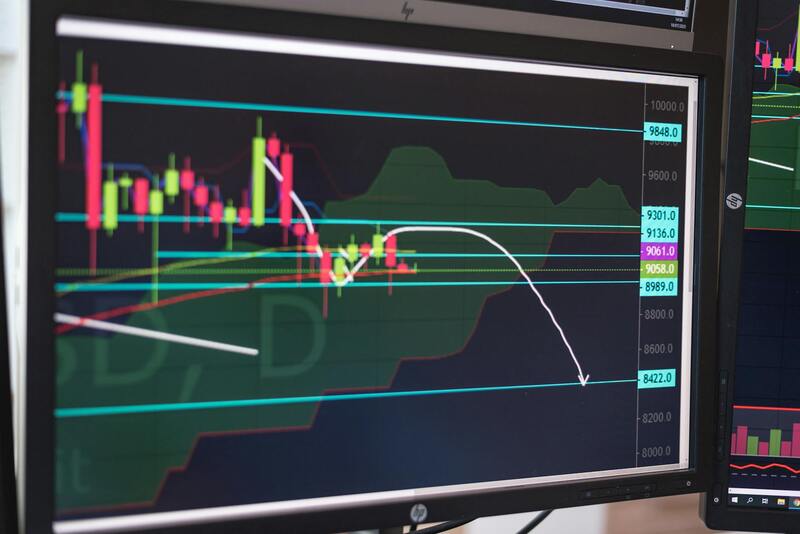
Smart technologies, embedded within buildings via IoT devices, further enhance property value by enabling intelligent energy management, security, and automation. These advancements contribute to sustainable and cost-effective building operations, aligning with global trends toward eco-friendly developments.
Market and Industry Scope
The scope of prop tech spans numerous segments within real estate, addressing both individual and institutional needs. Residential platforms focus on tenant matching, rent collection, and property management, while commercial solutions cater to larger-scale investors with tools for asset management, portfolio analysis, and market forecasting. Industrial and land development sectors are also increasingly utilizing prop tech to optimize logistics, infrastructure planning, and environmental assessments.
The industry’s rapid growth is driven by digital transformation initiatives adopted worldwide, leading to a more interconnected and responsive property ecosystem. Stakeholders—ranging from individual investors to multinational corporations—seek innovative solutions to gain competitive advantages, improve operational efficiency, and enhance customer satisfaction.
Trading Technologies in Prop Tech
In the dynamic landscape of property technology, trading platforms stand out as vital tools that streamline property transactions for both buyers and sellers. These technologies facilitate secure, transparent, and efficient exchange processes, often utilizing sophisticated digital frameworks that support instant verification and seamless transfer of ownership rights. Advanced trading technologies incorporate features such as real-time market data, automated bidding, and integrated financial services, which significantly enhance the transactional experience.
Many prop tech solutions now include dedicated marketplaces where property assets, whether residential, commercial, or industrial, can be listed, viewed, and traded with ease. These platforms leverage encrypted communication channels and robust data management systems to ensure transaction integrity and compliance, fostering confidence among all stakeholders involved.
Moreover, some trading platforms integrate predictive analytics and AI algorithms to advise investors on optimal entry and exit points, helping to maximize investment returns. They often support multi-channel access, allowing users to participate in property trading via web portals, mobile applications, and API integrations with other financial or property management systems. This interoperability enables a comprehensive property trading environment that adapts to different user needs and scales efficiently.

Trading Technologies in Prop Tech
Advancements in trading technologies within the prop tech sector are transforming how property transactions are conducted. Modern platforms incorporate sophisticated algorithms that analyze vast datasets to identify market trends, enabling investors and traders to make more informed decisions. High-frequency trading tools, traditionally used in financial markets, are now adapted for property assets to facilitate rapid execution of trades and manage risks efficiently.
Furthermore, blockchain technology is being integrated into trading platforms to enhance transparency and security. Distributed ledgers not only prevent unauthorized modifications but also streamline transaction verification, reducing settlement times and administrative overhead. These innovations provide stakeholders with real-time updates on transactional statuses and property valuations, fostering a more dynamic and responsive trading environment.
Online auction systems are also gaining traction, offering a transparent and competitive bidding process for property assets. These platforms enable a broader range of participants to engage in bidding, overcoming geographical barriers and promoting a more inclusive market. Additionally, some solutions leverage artificial intelligence to automate routine trading tasks, such as document verification, compliance checks, and initial property assessments.
This convergence of cutting-edge technologies in prop trading software not only increases operational efficiency but also mitigates risks associated with manual processes. As the landscape evolves, the adoption of these technologies is becoming fundamental in establishing a robust, scalable, and trustworthy market infrastructure.

Trade Execution and Digital Transaction Platforms in Prop Tech
Trade execution systems form a core component of modern prop tech infrastructure, enabling streamlined, transparent, and efficient property transactions. These platforms leverage advanced digital technologies to facilitate end-to-end deal workflows, reducing the reliance on manual processes and paperwork. Traders, investors, and brokers benefit from real-time data access, integrated communication channels, and automated documentation, which significantly accelerates transaction timelines and enhances accuracy.
Digital transaction platforms integrate multiple functionalities, such as online property listings, virtual due diligence, secure payment gateways, and e-signature capabilities. These features create a cohesive environment where stakeholders can perform comprehensive transactions within a single interface, minimizing delays caused by traditional processes such as face-to-face meetings or postal exchanges. By centralizing transaction workflows, prop tech platforms simplify complex multi-party dealings, reduce operational costs, and mitigate administrative errors.

Security protocols are integral to these platforms, utilizing encryption, multi-factor authentication, and secure data storage to protect sensitive information. Moreover, blockchain technology underpins many transaction solutions, ensuring an immutable record of dealings that can be independently verified, thereby fostering trust among participants.
Automated Valuation and Market Data Tools
Prop tech companies employ sophisticated algorithms and data analytics to provide automated valuation services. These tools analyze vast datasets—including comparable sales, market trends, and property attributes—to generate instant property valuations. Automated valuation models (AVMs) enhance decision-making by offering precise, timely insights, which are crucial for investors, appraisers, and brokers.
Furthermore, access to comprehensive market data fuels strategic investment decisions. Real-time data streams, integrated from public records, market reports, and proprietary sources, equip stakeholders with a holistic view of property performance and market dynamics. This synergy of transaction platforms and data analytics empowers users to identify opportunities swiftly and act decisively within competitive environments.
Document Management and Compliance Solutions
Effective document management is another vital element of prop tech systems. Cloud-based document repositories allow secure storage and instant retrieval of contracts, licenses, inspection reports, and other critical paperwork. Automated compliance checks embedded within platforms help ensure transactions adhere to relevant policies and regulations, reducing risks associated with manual oversight.
Artificial intelligence-driven tools can also assist in verifying document authenticity and completeness, supporting due diligence procedures without delay. These digital solutions collectively contribute to smoother transaction processes, improved record-keeping, and enhanced confidence for all parties involved.
Trading Technologies in Prop Tech
Within the expanding landscape of prop tech, trading technologies serve as a foundational component that facilitates seamless property transactions and investment activities. These platforms integrate advanced digital tools that enable investors, brokers, and property owners to execute, monitor, and optimize real estate trades efficiently. By automating processes and providing real-time insights, trading technologies help streamline negotiations and reduce transaction times significantly.
At the core of modern trading platforms in prop tech are features such as multi-channel access, allowing users to connect across various marketplaces and listing services from a unified interface. This consolidated approach enhances visibility into available properties and investment opportunities, ultimately fostering a more competitive market environment.

One of the key aspects of trading in prop tech involves the integration of data analytics tools that assist users in evaluating market conditions and property values instantly. These tools incorporate machine learning algorithms that analyze historical data, pricing trends, and market fluctuations to provide predictive insights. Such information empowers stakeholders to make informed decisions, whether they are acquiring new assets or divesting existing ones.
Automation features play a pivotal role in reducing manual oversight and streamlining transaction workflows. Electronic document signing, automated compliance checks, and instant funding transfers are just a few functionalities that enhance operational efficiency. These innovations not only minimize delays but also boost confidence and trust among parties involved in property trades.
Furthermore, blockchain technology's emergence in prop tech has introduced new levels of transparency and security in property trading. By offering tamper-proof records of ownership and transaction history, blockchain ensures that all parties have access to verifiable and immutable data. This fosters a more reliable and efficient trading environment, crucial for high-volume markets or complex deals involving multiple stakeholders.
In conclusion, trading technologies constitute a critical segment of the prop tech ecosystem, underpinning faster, more secure, and data-driven real estate transactions. They align with the broader industry's goals of enhancing market liquidity, reducing transaction costs, and expanding investment opportunities for a diverse range of participants.
Trading Technologies in Prop Tech
In the evolving landscape of property technology, trading mechanisms have become increasingly sophisticated, integrating cutting-edge solutions to enhance transaction efficiency and transparency. Modern prop tech platforms leverage advanced digital tools that facilitate seamless property trades while ensuring all parties involved can operate with confidence and clarity.
One of the most prominent trading technologies within this sector is the utilization of blockchain-based systems. These platforms provide immutable records of ownership and transaction histories, significantly reducing discrepancies and disputes during property exchanges. Blockchain's decentralized nature ensures that data is securely stored and readily accessible to authorized stakeholders, fostering trust and accountability.
Additionally, digital marketplaces and online auction platforms have transformed how properties are bought and sold. These platforms offer real-time bidding, instant notifications, and electronic documentation, enabling quicker decision-making and reducing the reliance on traditional face-to-face negotiations.
Automation tools such as electronic signing and automated compliance checks play a crucial role in streamlining transaction workflows. They not only cut down on paperwork but also minimize manual errors, expedite approvals, and accelerate closing processes. This integration of automation is particularly vital in high-volume markets where speed and accuracy are paramount.
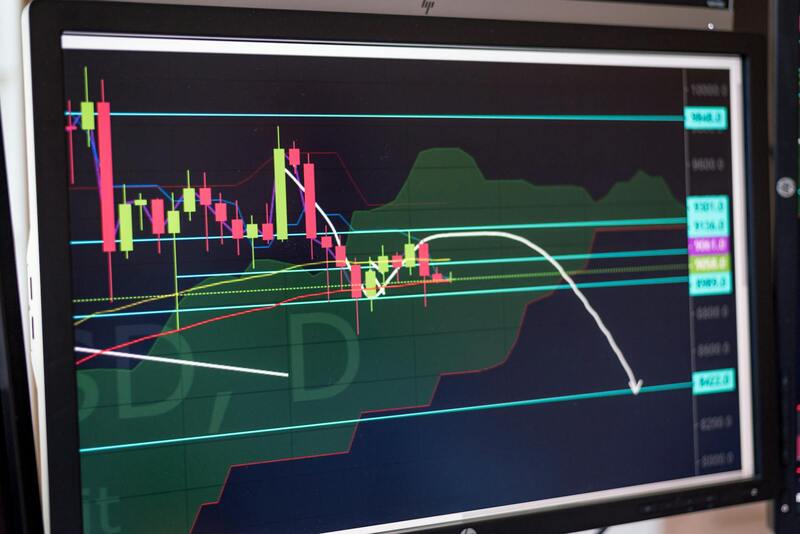
The adoption of data analytics and artificial intelligence (AI) further enhances trading in the prop tech arena. By analyzing market trends, predictive algorithms can advise investors on optimal entry and exit points, valuation adjustments, and risk assessments. These insights assist stakeholders in making data-driven decisions, reducing guesswork and enhancing overall market efficiency.
In essence, the integration of diverse trading technologies within prop tech underscores the industry’s commitment to creating more liquid, transparent, and efficient markets. As these innovations continue to evolve, they will underpin increasingly complex transactions and meet the demands of a global investor base.

Advanced Integration and Data Security in Prop Tech
Modern prop tech platforms prioritize the integration of advanced technologies to enhance operational efficiency and data security. These integrations include seamless connectivity with financial systems, property management tools, and customer relationship management (CRM) platforms. Such interoperability ensures that data flows smoothly between different systems, reducing manual entry errors and enabling comprehensive analytics.
Security protocols are fundamental in safeguarding sensitive information involved in property transactions, tenant data, and financial records. Encryption standards, multi-factor authentication, and regular security audits are standard practices employed by reputable prop tech providers. These measures protect against cyber threats and unauthorized access, ensuring the integrity and confidentiality of data.

Role of Regulatory Compliance and Ethical Standards
While navigating the complexities of property technology, adherence to regulatory frameworks and ethical standards plays a pivotal role. Prop tech solutions are designed to incorporate compliance features that align with applicable laws governing property transactions, tenant rights, and data privacy. These include automatic compliance checks, audit trails, and transparent reporting functionalities.
Adopting these practices not only mitigates risk but also enhances credibility among users. Transparent operations foster trust among investors, tenants, and other stakeholders, reinforcing a positive reputation for the platform or service.
Emerging Technologies and Future Innovations
The landscape of prop tech continues to evolve rapidly, driven by innovations in blockchain, artificial intelligence, and virtual reality. Blockchain technology, in particular, offers promising ways to record transparent and tamper-proof property titles and transaction histories, reducing disputes and streamlining documentation processes.
Artificial intelligence (AI) enhances predictive analytics for market trends, tenant screening, and investment opportunities, empowering stakeholders with actionable insights. Virtual reality (VR) and augmented reality (AR) are transforming property viewing experiences, enabling remote exploration of properties in immersive environments.

Strategic Approaches to Prop Tech Implementation
Successful integration of prop tech solutions requires strategic planning and a clear understanding of organizational needs. Key steps include conducting thorough assessments of existing workflows, identifying pain points, and setting measurable objectives for technology adoption.
- Engage stakeholders across departments to ensure comprehensive understanding of operational requirements.
- Prioritize scalable platforms that can adapt to future growth and technological advancements.
- Implement training programs to familiarize staff with new tools and processes, fostering a culture of innovation.
- Establish feedback channels to continuously improve and optimize the use of prop tech solutions.
Concluding Insights on Prop Tech'S Evolution
As technological advancements continue to redefine the real estate landscape, the strategic deployment of prop tech solutions becomes increasingly critical in maintaining competitive advantage. Embracing secure, integrated, and innovative systems allows stakeholders to capitalize on new opportunities, mitigate risks, and enhance operational efficiency in an ever-changing market environment.
