Definition and Scope of Prop Technologies
Prop technologies, commonly known as property technologies or PropTech, refer to the innovative use of digital and technological solutions to enhance, streamline, and transform the real estate industry. These technologies encompass a broad spectrum of tools, platforms, and systems designed to improve property management, real estate transactions, investment processes, and related services. The primary aim of PropTech is to create more efficient, transparent, and accessible real estate markets through advanced technological interventions.
In practice, prop technologies bridge the gap between traditional real estate practices and modern digital advancements. They leverage activities such as data analytics, automation, artificial intelligence, mobile applications, and cloud computing to optimize the various aspects of property-related operations. As a result, stakeholders—including investors, developers, agents, property managers, and tenants—benefit from enhanced decision-making, reduced operational costs, and improved user experiences.
The scope of PropTech extends across multiple facets of the real estate industry:
- Property Search and Brokerage: Digital platforms that facilitate online property listings, virtual tours, and automated matchmaking between buyers and sellers.
- Property Management: Software solutions that streamline tasks such as rent collection, maintenance scheduling, and tenant communications.
- Real Estate Investment: Advanced data analysis and modeling systems that support investment decisions and portfolio management.
- Construction and Development: Technologies like Building Information Modeling (BIM) and automation systems that improve construction efficiency and project planning.
- Smart Buildings: Integration of Internet of Things (IoT) devices to monitor and control building systems, enhancing energy efficiency and security.
- Transaction and Financial Technologies: Digital escrow, blockchain-based property records, and online transaction platforms that facilitate secure and transparent property deals.

Overall, prop technologies are reshaping the real estate landscape by enabling more data-driven, efficient, and user-centric services. They continue to evolve rapidly, driven by technological advancements and the increasing demand for transparent and accessible property markets.
Understanding the Core Technologies Driving PropTech Innovation
PropTech fundamentally leverages a variety of advanced technological solutions to transform traditional real estate processes. Central to this transformation are several key technological components that facilitate increased efficiency, transparency, and user engagement within the industry.

Data Analytics and Machine Learning
Data analytics play a crucial role in summarizing vast datasets related to property valuations, market trends, and consumer preferences. Machine learning algorithms further enhance this process by enabling predictive analytics, which anticipate market movements, optimize investment portfolios, and improve pricing strategies. Consequently, stakeholders can make more informed decisions based on comprehensive, real-time insights.
Blockchain and Digital Record-Keeping
Blockchain technology has emerged as a significant tool for creating immutable, transparent, and secure property records. By deploying distributed ledger systems, PropTech platforms minimize record fraud, streamline transaction processes, and facilitate seamless ownership transfers. The deployment of blockchain ensures that property histories, leasing agreements, and financial transactions are accurately documented and easily accessible.
Internet of Things (IoT) Integration
IoT devices are increasingly incorporated into building management systems, enabling continuous monitoring of energy consumption, security, and maintenance needs. Sensors embedded within smart buildings collect data that can be analyzed to optimize operations, reduce costs, and improve occupant comfort. IoT integration also supports predictive maintenance, which reduces downtime and extends the lifespan of building infrastructure.
Virtual and Augmented Reality
Virtual and augmented reality solutions significantly enhance the property viewing experience. Potential buyers and tenants can explore virtual tours remotely, saving time and expanding reach. These immersive technologies allow users to visualize renovations or modifications, aiding decision-making and reducing physical visits during the initial phases of property evaluation.
Cloud Computing and Software-as-a-Service (SaaS)
Cloud-based platforms enable real estate professionals to store, access, and share data effortlessly across multiple locations. SaaS solutions provide scalable, customizable tools for property management, client relations, and transaction processing. Cloud computing enhances collaboration, data security, and operational flexibility, which are critical in today's dynamic property markets.
Automation and AI-driven Platforms
Automation tools streamline repetitive tasks such as lead management, document processing, and scheduling. Artificial intelligence enhances these systems with capabilities like chatbots for customer service, predictive lead scoring, and personalized property recommendations. Automating routine operations allows real estate professionals to concentrate on strategic decision-making and client engagement.

The Significance of Emerging Technologies in PropTech Ecosystems
By combining these innovative technological components, PropTech platforms create comprehensive ecosystems that support every stage of the property lifecycle. From initial search to transaction settlement and property management, these solutions foster transparency, reduce operational friction, and improve service delivery for all stakeholders involved in real estate transactions.
Market Overview and Industry Trends
Understanding the current landscape of prop technologies requires a detailed examination of market dynamics, growth trajectories, and the key factors influencing industry transformation. The global prop tech market has experienced exponential growth over recent years, driven by a surge in digital adoption, increased investment, and a shift in consumer behavior towards online property services. This expansion is facilitated by advancements in internet connectivity, mobile technology, and data analytics, which enable more sophisticated and user-centric platforms.
As of the latest market analysis, the prop tech sector encompasses a broad range of solutions including digital marketplaces, virtual tours, property management software, and smart building technologies. The integration of these tools has led to increased operational efficiency, enhanced customer experiences, and expanded access to property information across multiple stakeholders.
Key growth drivers include the need for transparency in property transactions, reduced costs associated with manual processes, and the desire for real-time data insights. Additionally, the COVID-19 pandemic accelerated digital transformation initiatives within the industry, prompting many firms to adopt cloud-based platforms and automation tools to support remote interactions and virtual property dealings.

Emerging industry trends reveal an increasing adoption of artificial intelligence for predictive analytics and customer engagement, blockchain for secure transactions, and IoT devices for smart property management. These innovations contribute to creating interconnected ecosystems that streamline workflows, enhance security protocols, and deliver transparent, efficient services to end-users.
Furthermore, the industry is witnessing a surge in investment from venture capitalists and private equity firms keen on capitalizing the digital transformation. The rising prominence of big data analytics allows stakeholders to make more informed decisions, while augmented and virtual reality technologies enable immersive property viewing experiences, reducing the need for physical visits and expanding global reach.
Emerging Trends Shaping the Industry
- Increased adoption of automation and AI-driven solutions for property management and customer service
- Integration of IoT devices to enhance smart building functionalities
- Utilization of blockchain technology to facilitate secure, transparent transfers of property ownership and data
- Growth in virtual and augmented reality applications for immersive property viewing
- Focus on sustainability and energy-efficient building management through smart technologies
These trends demonstrate a clear shift towards a more interconnected, efficient, and digitally enabled property ecosystem, paving the way for continued innovation and industry growth.
Role of Prop Trading and Trading Technologies
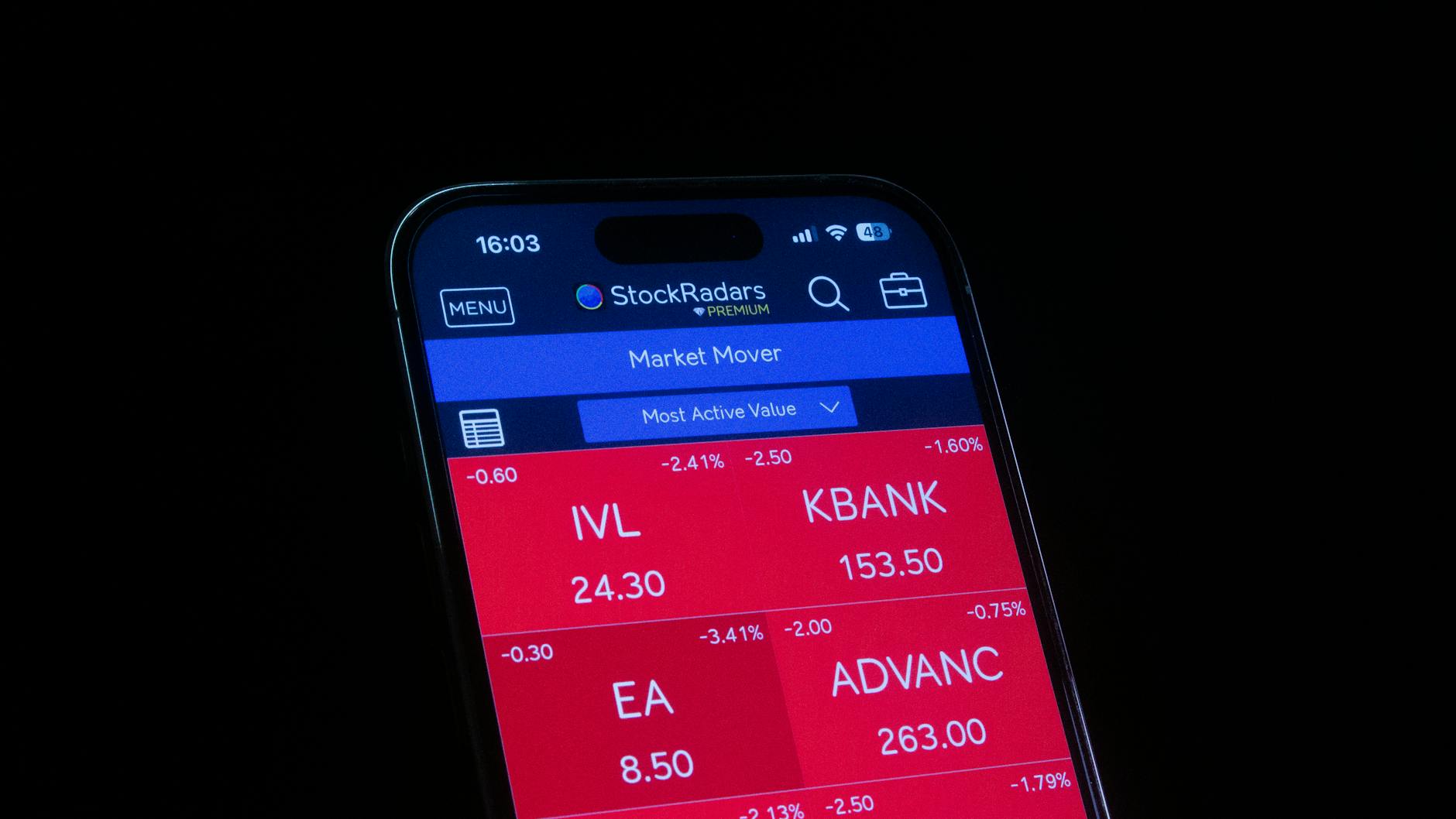
Prop trading, or proprietary trading, involves financial firms using their own capital to conduct trading activities with the goal of generating profit. In the context of prop technologies, specialized platforms and tools have become integral to enhancing trading strategies, risk management, and operational efficiency. These technologies enable traders to access real-time market data, execute rapid transactions, and implement algorithmic trading systems that leverage advanced analytics.
Modern prop trading firms rely heavily on sophisticated trading platforms, which incorporate features such as high-frequency trading (HFT) capabilities, automation scripts, and risk controls. These platforms facilitate complex order management, real-time position tracking, and strategic decision-making, all within secure and compliant environments. Additionally, integration with blockchain and smart contract protocols is increasingly being explored to secure transactional transparency and streamline settlement procedures.
Core Components of Trading Technologies in Prop Trading
- Market Connectivity: Direct access to multiple exchanges and liquidity pools ensures seamless trade execution and better pricing.
- Algorithmic Trading Software: Enables the design and deployment of trading algorithms that automatically execute transactions based on predefined criteria, reducing human error and increasing speed.
- Data Analytics and Visualization: Advanced analytics platforms process vast data sets to identify trading opportunities and optimize strategies.
- Risk Management Tools: Real-time monitoring and automated controls help mitigate losses and comply with regulatory standards.
- Trade Automation and Execution: High-speed execution tools ensure minimal latency and execution costs, critical for HFT strategies.

Impacts and Advantages of Trading Technologies
Utilizing cutting-edge trading tech enhances competitive advantage by providing traders with insights, speed, and operational robustness that traditional methods lack. Automated systems reduce execution errors, while integrated risk controls improve oversight. Moreover, the ability to analyze large data sets in real-time enables more informed decision-making. As the industry evolves, firms deploying these technologies can adapt swiftly to market fluctuations, capitalizing on transient opportunities.
Challenges and Considerations in Implementing Trading Technologies
Despite the advantages, integrating sophisticated trading platforms requires significant investment in infrastructure, cybersecurity measures, and staff training. Ensuring compliance with changing regulations around automated trading and data privacy is also critical. Firms must establish robust testing and monitoring protocols to minimize system failures and unexpected risks. Building scalable, customizable systems aligned with strategic goals is essential for sustainable growth in prop trading environments.
Role of Prop Trading and Trading Technologies
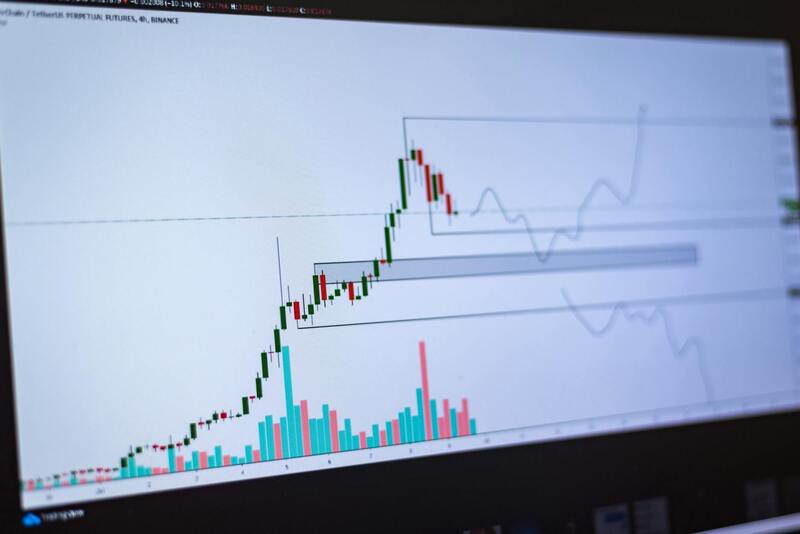
Prop trading firms harness advanced trading technologies to optimize their investment strategies and manage risk more efficiently. These technological solutions are integral for executing large volume trades swiftly and accurately, leveraging data analytics to identify market opportunities, and maintaining competitive advantage in high-stakes environments. By integrating trading algorithms and execution platforms, proprietary traders can respond to market fluctuations in real time, capitalizing on transient opportunities that require immediate action.
Furthermore, prop trading involves the use of sophisticated software that enables traders to monitor multiple markets concurrently, automate order execution, and implement complex strategies seamlessly. These systems often include real-time data feeds, risk management modules, and back-end analytics tools. Such integration ensures that decision-making is data-driven and precise, reducing human error and increasing overall efficiency.
In property investment contexts, prop technologies extend into the digital management of assets and transactions. Platforms that incorporate data modeling, predictive analytics, and automated processes streamline property acquisitions, leasing, and asset management. By utilizing these solutions, firms can evaluate property values accurately, forecast market trends, and make informed investment decisions in a timely manner.
Automated valuation models (AVMs) and geographic information systems (GIS) are examples of tools that integrate seamlessly into property portfolios, providing comprehensive insights and operational efficiencies. They enable real estate professionals to analyze large datasets, assess risk, and optimize portfolio performance without manual intervention, dramatically enhancing decision-making accuracy and speed.
Benefits and Challenges of Prop Technologies
- Enhanced Data Accuracy and Speed: Leveraging automated systems reduces manual errors and accelerates transaction processes.
- Operational Efficiency: Digital platforms streamline property and trade management, decreasing operational costs.
- Risk Management: Real-time monitoring and automated alerts help mitigate potential losses and ensure compliance.
- Market Insights: Advanced analytics offer predictive insights, supporting strategic planning.
However, deploying these sophisticated systems involves significant investment in infrastructure, cybersecurity, and expertise. Integration complexities can pose challenges, especially during system upgrades or overhauls. Additionally, reliance on automated decision-making raises the importance of continuous monitoring to prevent systemic failures or deviations from strategic objectives. Firms must embed robust testing protocols and maintain compliance with evolving industry standards to maximize the benefits of prop technologies.
Future Developments in PropTech
The evolution of prop technologies is set to focus on greater integration of artificial intelligence, machine learning, and blockchain solutions. AI-driven predictive analytics will evolve to enable more accurate forecasting of property values and market movements, while machine learning algorithms will improve risk assessment and strategy optimization. Blockchain technology promises to enhance transparency and security in property transactions, reducing fraud risk and streamlining record-keeping.
Additionally, the adoption of 3D property visualization, virtual reality, and augmented reality will transform property marketing and leasing processes. These innovations will allow investors and tenants to experience properties remotely, reducing the need for physical visits and accelerating decision timelines.
How to Select Prop Tech Solutions
Choosing the right prop technology solutions requires a strategic approach aligned with organizational goals. Firms should evaluate options based on scalability, compatibility with existing systems, and support for specific operational needs. Key considerations include data security features, user-friendliness, and vendor credibility through industry references and case studies.
Furthermore, a thorough assessment of the solution’s compliance with current regulations and standards ensures seamless integration with legal frameworks. Pilot testing and phased rollouts are recommended to evaluate system performance and user adaptability before full-scale deployment. Investing in staff training and ongoing technical support enhances system utilization and maximizes return on investment.
In summary, the selection process should be a comprehensive evaluation balancing technological innovation, operational needs, and strategic growth plans — ultimately enabling firms to leverage prop technologies most effectively in their property investment pursuits.
Role of Prop Trading and Trading Technologies
Prop trading, or proprietary trading, involves financial institutions or firms trading securities, commodities, or other financial instruments using their own capital for direct profit. The integration of advanced trading technologies within the property sector has led to innovative trading platforms tailored for real estate assets, enabling more dynamic investment strategies and risk management approaches. Modern prop trading platforms leverage sophisticated algorithms and data analytics to identify market patterns, forecast property value trends, and execute trades almost instantaneously. These technological tools support traders in making informed decisions, reducing human error, and optimizing transaction timing. Increased automation driven by machine learning and artificial intelligence allows for real-time market analysis, giving traders a competitive edge. Furthermore, trading technologies have enhanced liquidity and transaction transparency in real estate markets, enabling smoother and faster asset exchanges. Digital platforms facilitate seamless order execution, settlement, and record-keeping, which are crucial for institutional traders and large investors managing extensive property portfolios. Innovations such as blockchain technology have begun to play a pivotal role in property trading, offering decentralized ledgers that ensure secure, tamper-proof transaction records. Smart contracts automate agreement enforcement, reducing reliance on intermediary agents and minimizing transaction costs. These advancements support diversified investment portfolios by providing tools for hedging and leveraging property assets efficiently. As the real estate market continues to adopt these technological innovations, the landscape of property trading will become increasingly sophisticated, transparent, and accessible to a broader array of investors.

Role of Prop Trading and Trading Technologies
Prop trading, or proprietary trading, involves financial institutions leveraging advanced technological platforms to directly engage with property markets, aiming to maximize returns through strategic asset management. These platforms are integrated with sophisticated trading algorithms, real-time data feeds, and risk assessment tools that enable traders to effectively monitor market movements, execute quick transactions, and manage portfolios with precision.
Modern prop trading technologies enable users to perform high-frequency trading strategies, which capitalize on minute market fluctuations. These systems utilize complex mathematical models and machine learning algorithms to analyze vast datasets, including market trends, economic indicators, and property valuation metrics. By doing so, traders gain a nuanced understanding of market dynamics, allowing for more informed decision-making.

Key features of prop trading technologies include:
- Real-Time Market Data Integration: Instant access to updated property values, transaction histories, and economic indicators.
- Automated Trading Algorithms: Pre-programmed strategies that execute trades based on specific market signals or conditions, reducing human intervention and emotional biases.
- Risk Management Modules: Tools to evaluate exposure levels, set stop-loss orders, and diversify investments across sectors and regions.
- Blockchain and Smart Contract Capabilities: Secure, transparent, and efficient transaction verification processes that eliminate the need for multiple intermediaries.
- Data Analytics and Predictive Modeling: Use of artificial intelligence to forecast market trends, property appreciation, and assess potential investment risks.
Market Overview and Industry Trends
The property technology sector has seen growth driven by the need for increased transparency, efficiency, and data-driven decision-making. The integration of digital tools has transformed traditional property markets into highly accessible, liquid environments for investors of all sizes.
Recent trends include the adoption of blockchain for property transactions, the rise of AI-powered valuation models, and the deployment of IoT devices to enhance building management and smart infrastructure. Real estate crowdfunding platforms, often supported by prop tech solutions, have opened new avenues for small investors to participate in larger, more lucrative property deals.
Moreover, big data analytics enables market participants to analyze demographic shifts, economic cycles, and urban planning developments, which influence property values and investment opportunities significantly. As these trends continue to evolve, the demand for reliable, high-performance trading and management platforms will increase, fostering a more competitive, transparent, and dynamic market environment.
Leading Prop Tech Companies
The market features numerous innovative firms that develop solutions for property trading and management:
- Company A: Specializes in AI-driven property valuation tools that assist traders with real-time insights.
- Company B: Offers blockchain-based platforms for secure, transparent property transactions globally.
- Company C: Develops comprehensive property management software integrating IoT and automation technologies.
- Company D: Provides data analytics platforms that leverage big data for predictive market analysis.
Benefits and Challenges of Prop Technologies
Implementing advanced prop trading platforms delivers numerous benefits, including increased operational efficiency, lower transaction costs, and greater market transparency. They facilitate faster decision-making via instantaneous access to critical data and automate routine tasks, freeing up resources for strategic planning.
Additionally, these technologies enable larger institutions and individual investors to diversify their portfolios easily and manage risks more effectively. The adoption of blockchain and smart contracts enhances security and reduces settlement times, enabling smoother transaction flows.
However, integrating these technologies presents challenges. Data privacy concerns, the need for substantial initial investment, and the requirement for ongoing technical support can impose barriers to adoption. Ensuring that the platforms are robust, scalable, and compliant with regulatory frameworks is essential for long-term success.
Furthermore, the rapid pace of technological change necessitates continuous updates and staff training, which can strain organizational resources. Despite these challenges, the ongoing evolution of prop tech signifies a pivotal shift toward more efficient and accessible property markets, where technological excellence is a key competitive differentiator.
Advanced Security Protocols and Data Privacy Measures in Prop Technologies
As the adoption of prop technologies continues to expand, ensuring the security of data and maintaining privacy standards become paramount. These platforms handle sensitive information, including transaction details, personal data, and financial records, necessitating the implementation of sophisticated security protocols. Utilizing encryption methods, multi-factor authentication, and secure API integrations helps mitigate risks associated with cyber threats and unauthorized access. Regular security audits, vulnerability assessments, and adherence to industry best practices are essential components of a robust security framework.
Moreover, data privacy policies must comply with regional and international standards to foster trust among users. These policies clearly outline data collection practices, storage, and sharing protocols, ensuring transparency and accountability. For platforms operating on blockchain or distributed ledger technologies, cryptographic techniques further enhance data integrity and tamper-proof records, reinforcing security throughout transaction processes.

Implementing these security measures requires a comprehensive approach that involves continuous updates, staff training, and rigorous compliance checks. It’s equally important for companies to establish incident response plans to address potential breaches swiftly, minimizing impact and restoring trust swiftly. As the landscape of property technology evolves, ongoing investment in security infrastructure is fundamental to safeguarding user data and ensuring long-term platform integrity.
Integration and Compatibility with Existing Systems
For widespread adoption, prop technology solutions must seamlessly integrate with existing real estate management systems, financial software, and legal platforms. Compatibility issues can hinder operational workflows and disrupt transaction processing. Therefore, selecting interoperable, open-architecture platforms facilitates smoother integration and scalability. Utilizing standardized data formats, APIs, and middleware solutions helps bridge the connection between diverse systems, ensuring data consistency and reducing duplication errors.
Successfully integrating prop tech innovations involves careful planning, collaboration with IT teams, and clear understanding of organizational workflows. Platforms that support customization and offer modular features enable businesses to adapt quickly to changing needs without extensive reconfigurations. This flexibility is crucial in maintaining efficiency while leveraging the latest technological advancements.
Training and Support for Prop Technology Adoption
To maximize the benefits of prop technologies, comprehensive training programs are essential for stakeholders, including brokers, property managers, investors, and technical staff. Proper training ensures that users understand platform functionalities, security protocols, and best practices, thereby reducing errors and enhancing overall productivity.
Ongoing support through dedicated customer service, routine updates, and technical assistance encourages sustained engagement and confidence in the platform. Many providers offer detailed documentation, tutorials, and user communities to facilitate knowledge sharing. Building internal expertise around prop tech tools helps organizations capitalize on their full potential and adapt swiftly to technological changes.