
Definition and Scope of Prop Trading Technology
Prop trading technology encompasses a range of sophisticated tools, software platforms, and infrastructure systems designed to support proprietary trading activities within financial markets. Proprietary trading, often conducted by financial firms investing their own capital, relies heavily on advanced technology to facilitate rapid decision-making, precise execution, and risk management. This technology integrates various components that enable traders to analyze market data, develop trading strategies, execute trades efficiently, and monitor performance in real-time.
The core of prop trading technology often involves high-frequency trading (HFT) algorithms, algorithmic trading platforms, and sophisticated risk management systems. These elements work together to optimize trade execution, minimize latency, and capitalize on fleeting market opportunities. Additionally, proprietary traders leverage extensive data analytics, machine learning models, and market insights that are made possible through dedicated software solutions tailored to specific trading styles and asset classes.
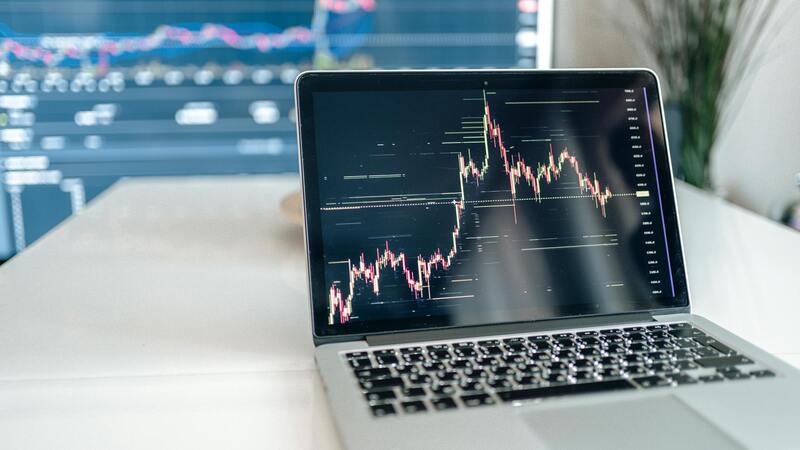
The scope of prop trading technology extends beyond mere trade execution; it encompasses a comprehensive ecosystem that includes connectivity infrastructure, data feeds, and compliance monitoring systems. These components collectively enable traders to stay ahead in dynamic markets, applying quantitative analysis and strategic innovation to generate profit while managing associated risks effectively. As financial markets evolve, the importance of employing cutting-edge technological solutions becomes paramount for firms looking to gain a competitive advantage in proprietary trading activities.
Role of Trading Technologies in Prop Trading Strategies
Trading technologies serve as the backbone of effective prop trading strategies, enabling traders to execute complex analysis, rapid decision-making, and seamless order execution. These systems integrate real-time market data feeds, advanced analytics, and automated trading capabilities to identify and capitalize on emerging market opportunities swiftly.
By leveraging sophisticated algorithms, prop traders can automate trade entries and exits based on predefined criteria, reducing emotional biases and ensuring consistency. The deployment of algorithmic trading platforms allows traders to implement high-frequency strategies that exploit minor price movements within milliseconds, often surpassing manual trading capabilities. This technological edge is crucial in highly volatile environments where timing and execution speed are paramount.
Risk management systems embedded within trading platforms play an essential role by continuously monitoring open positions, calculating potential losses, and enforcing risk limits. These tools help traders maintain a balanced portfolio, ensure compliance with internal policies, and mitigate potential catastrophic losses. Additionally, advanced visualization tools support traders in analyzing historical and current market conditions, refining strategies, and optimizing trade setups.

Connectivity infrastructure is equally critical, as it ensures rapid data transmission and order execution across global markets. Low-latency connectivity solutions provided by specialized data centers and dedicated network connections allow prop traders to receive market updates and execute trades with minimal delay, safeguarding their competitive edge.
Types of Prop Trading Technologies and Solutions
The diverse landscape of prop trading technology encompasses various tools tailored to different trading styles and asset classes. These solutions can be broadly categorized into:
- Algorithmic Trading Platforms: Offer automated execution of trades based on complex mathematical models, enabling high-speed order placement and management.
- Market Data Platforms: Provide real-time access to extensive datasets, news feeds, and financial analytics essential for informed decision-making.
- Risk Management Systems: Continuously assess exposure, enforce trading limits, and facilitate compliance with risk policies.
- Order Management Systems (OMS): Streamline order execution workflows, handle multi-asset trading, and ensure traceability of trade activities.
- Connectivity Solutions: Include co-location services and direct market access infrastructure to minimize latency and enhance execution speed.

Some firms develop proprietary software tailored specifically to their trading philosophies, while others utilize commercial solutions that offer flexibility and scalability. Combining these technologies enables prop traders to implement diverse strategies such as arbitrage, momentum trading, and statistical modeling, all supported by robust technological infrastructure.
Impact of Market Data and Infrastructure on Prop Trading
Market data plays an integral role in shaping trading strategies, providing insights into price movements, order flow, and market sentiment. Real-time data feeds facilitate quick adjustments to trading plans, ensuring traders can react to unfolding market events faster than competitors relying on delayed information.
Infrastructure components such as data centers, fiber-optic connections, and co-location facilities ensure that traders maintain network latency at minimal levels. This technological advantage significantly influences trading success, especially in high-frequency environments where microseconds can determine profitability. Reliable and resilient network infrastructure also reduces the risk of outages or disruptions that could harm trading activities or lead to significant losses.
Additionally, the integration of advanced data analytics and machine learning models allows traders to uncover hidden patterns, forecast trends, and develop predictive indicators. Such capabilities enhance decision accuracy and provide a strategic edge in predicting market movements beyond conventional analysis methods.
Core Features of Prop Trading Software
Prop trading technology is characterized by a suite of sophisticated features designed to optimize traders' efficiency and effectiveness in the financial markets. A fundamental aspect of this software is its ability to provide real-time market data analysis, which allows traders to monitor asset prices, volume, and liquidity across multiple exchanges simultaneously. This immediate access to pertinent information ensures traders can make informed decisions quickly, capitalizing on fleeting opportunities that can last mere milliseconds.
Another critical feature is advanced order execution capabilities. Modern prop trading platforms offer high-speed, algorithm-driven order placement, enabling traders to implement complex strategies such as discretionary trading, scalping, or high-frequency trading (HFT). These platforms support various order types—limit, market, stop, and more—allowing flexibility in trade execution and risk management.
Risk management tools integrated into prop trading technology are vital for maintaining financial stability. These tools include real-time monitoring of risk exposure, automated stop-loss and take-profit orders, and comprehensive portfolio analytics, which help traders adhere to predefined risk parameters while seizing market opportunities.

The capacity to handle large volumes of data and execute trades with minimal latency distinguishes top-tier prop trading solutions. Such platforms often incorporate co-location and direct market access (DMA) functionalities to further reduce network delay, thus providing traders with a significant competitive edge. Security protocols, including encryption and multi-factor authentication, are also embedded within the infrastructure to safeguard sensitive trading information and ensure compliance with regulatory standards.
Leading Technologies Supporting Prop Trading Operations
Prop trading firms leverage a variety of cutting-edge technologies to enhance their trading capabilities. High-performance computing (HPC) enables the processing of massive datasets for real-time analysis, while artificial intelligence (AI) and machine learning (ML) algorithms support pattern recognition, predictive modeling, and automated decision-making processes. Additionally, application programming interfaces (APIs) facilitate seamless integration of proprietary tools with external data sources, liquidity providers, and market venues.
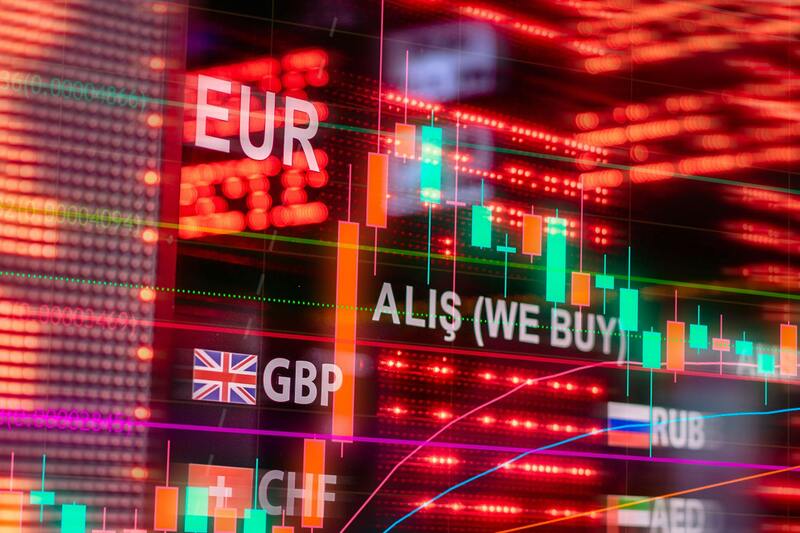
Furthermore, cloud computing solutions offer scalability and flexibility, allowing prop trading firms to adjust their technological resources in response to changing market conditions. This adaptability can be crucial during volatile trading sessions when computational demands spike significantly.
Overall, the fusion of high-speed data processing, advanced analytics, and secure, scalable infrastructure forms the core foundation of prop trading technology, empowering traders to execute strategies with precision, speed, and confidence.
Types of Prop Trading Technologies and Solutions
Prop trading firms depend on an array of specialized technological solutions to maintain a competitive edge and optimize trading operations. These tools encompass algorithmic trading platforms, advanced data analytics systems, and comprehensive back-office management solutions, each tailored to address specific facets of trading performance and compliance.
Algorithmic Trading Platforms
At the heart of many prop trading operations are algorithmic trading platforms that enable traders to develop, test, and deploy automated trading strategies. These platforms often feature customizable scripting environments, real-time risk management tools, and access to diverse order types. They integrate seamlessly with market venues through application programming interfaces (APIs), allowing for rapid execution and adjustment of trading algorithms based on live market data.
Data Analytics and Market Intelligence Tools
Real-time data analytics solutions enable traders to process vast volumes of market data, news feeds, and economic indicators. These tools utilize sophisticated algorithms, including artificial intelligence (AI) and machine learning (ML), to identify patterns, forecast potential market movements, and refine trading strategies. The ability to analyze historical data alongside live feeds provides traders with actionable insights that enhance decision-making accuracy.
Back-Office Systems and Risk Management Tools
Back-office systems streamline operational workflows such as compliance reporting, trade validation, and internal record-keeping. Integrated risk management tools actively monitor exposure levels, margin requirements, and liquidity constraints, ensuring that trading activity aligns with predefined risk parameters. Such systems facilitate swift responses to emerging risks, thereby safeguarding capital and maintaining regulatory adherence.
Integration and Connectivity Solutions
Seamless integration between trading platforms, market data feeds, and liquidity providers is critical for smooth operations. Many prop trading firms employ middleware and API gateways to connect disparate systems while maintaining data integrity and security. This interconnected infrastructure ensures speed, reliability, and flexibility, allowing traders to execute complex strategies across multiple markets efficiently.
Impact of Market Data and Infrastructure on Prop Trading
High-quality market data and robust infrastructure are fundamental to prop trading success. Accurate, latency-minimized data feeds empower traders to react swiftly to market changes, minimizing slippage and optimizing entry/exit points. The supporting infrastructure—including high-speed servers, data centers, and network connectivity—ensures that trading algorithms function without interruption and that decision-making is based on the most current information available.

In addition to hardware and software, data security protocols like encryption, multi-factor authentication, and secure API management safeguard sensitive trading and client information. This multi-layered security approach helps optimize operational stability while complying with industry standards.
Leading Companies and Innovations in Prop Trading Technology
Several technology providers lead the way in delivering innovative solutions for prop trading firms. Companies specializing in algorithm development, data analytics, and trading infrastructure continually push the boundaries of speed and precision. Notable innovations include cloud-based trading environments, AI-driven predictive analytics, and decentralized trading networks that facilitate rapid execution without geographical limitations.
researchers and software developers in this ecosystem focus on optimizing execution algorithms, reducing latency, and enhancing AI capabilities, which collectively contribute to more robust trading models and strategies.
Understanding the Core Components of Prop Trading Technology
Prop trading technology encompasses a range of sophisticated systems designed to facilitate the execution of proprietary trading strategies. These systems integrate high-speed data feeds, advanced algorithms, and robust infrastructure to enable traders and firms to capitalize on market opportunities with precision and agility. The backbone of prop trading technology involves real-time data processing, low-latency connectivity, and secure execution platforms that work harmoniously to support aggressive trading tactics in volatile markets.
Key Elements of Prop Trading Software
- Market Data Integration: Reliable, real-time data feeds from multiple exchanges and data providers ensure traders have access to the most recent market conditions. These feeds need to be highly accurate and delivered with minimal delay to improve decision-making efficiency.
- Order Execution Systems: High-performance order management systems (OMS) facilitate rapid trade placement, modification, and cancellation. These systems are optimized for low latency and high throughput, essential for executing complex strategies at competitive speeds.
- Risk Management Tools: Integrated risk modules allow traders to monitor exposure, implement stop-loss levels, and manage leverage effectively, thereby safeguarding capital while allowing strategic agility.
- Algorithmic Trading Platforms: Proprietary algorithms automate trade execution based on predefined criteria, leveraging machine learning and statistical models to identify optimal trading moments.
- Data Storage and Analysis: Robust databases store historical and real-time data, enabling sophisticated backtesting, strategy refinement, and performance analysis.

The Strategic Role of Trading Technologies in Prop Trading
Modern prop trading relies heavily on cutting-edge technology to develop and execute strategies that outperform traditional market approaches. These technologies enable traders to react swiftly to market developments, execute complex algorithms with minimal latency, and manage portfolios dynamically. The effective deployment of trading technology allows prop firms to adopt high-frequency and quantitative tactics that were previously unattainable.
Trading technologies serve as a foundation for multi-faceted strategies—including arbitrage, scalping, market making, and statistical arbitrage—by providing the tools needed to monitor market conditions continuously, analyze vast datasets, and implement strategies instantaneously. The precision, speed, and security offered by these systems directly influence a firm’s profitability and resilience in trading environments characterized by rapid shifts.
Categories of Prop Trading Technologies and Solutions
- Cloud-Based Trading Platforms: These solutions offer scalable resources, enabling agile deployment of trading algorithms without heavy infrastructure investments. They facilitate remote access, collaborative trading efforts, and rapid updates.
- Hardware Acceleration Solutions: Field Programmable Gate Arrays (FPGAs) and Graphics Processing Units (GPUs) are utilized to boost processing speeds for complex calculations, latency-sensitive trading algorithms, and real-time risk assessments.
- Secure API and Connectivity Solutions: Reliable APIs ensure data flows securely between trading systems and external data providers or exchanges, minimizing data breaches and operational disruptions.
- Artificial Intelligence and Machine Learning Tools: These advanced tools help in developing predictive models, anomaly detection, and adaptive strategies that evolve as market conditions change.
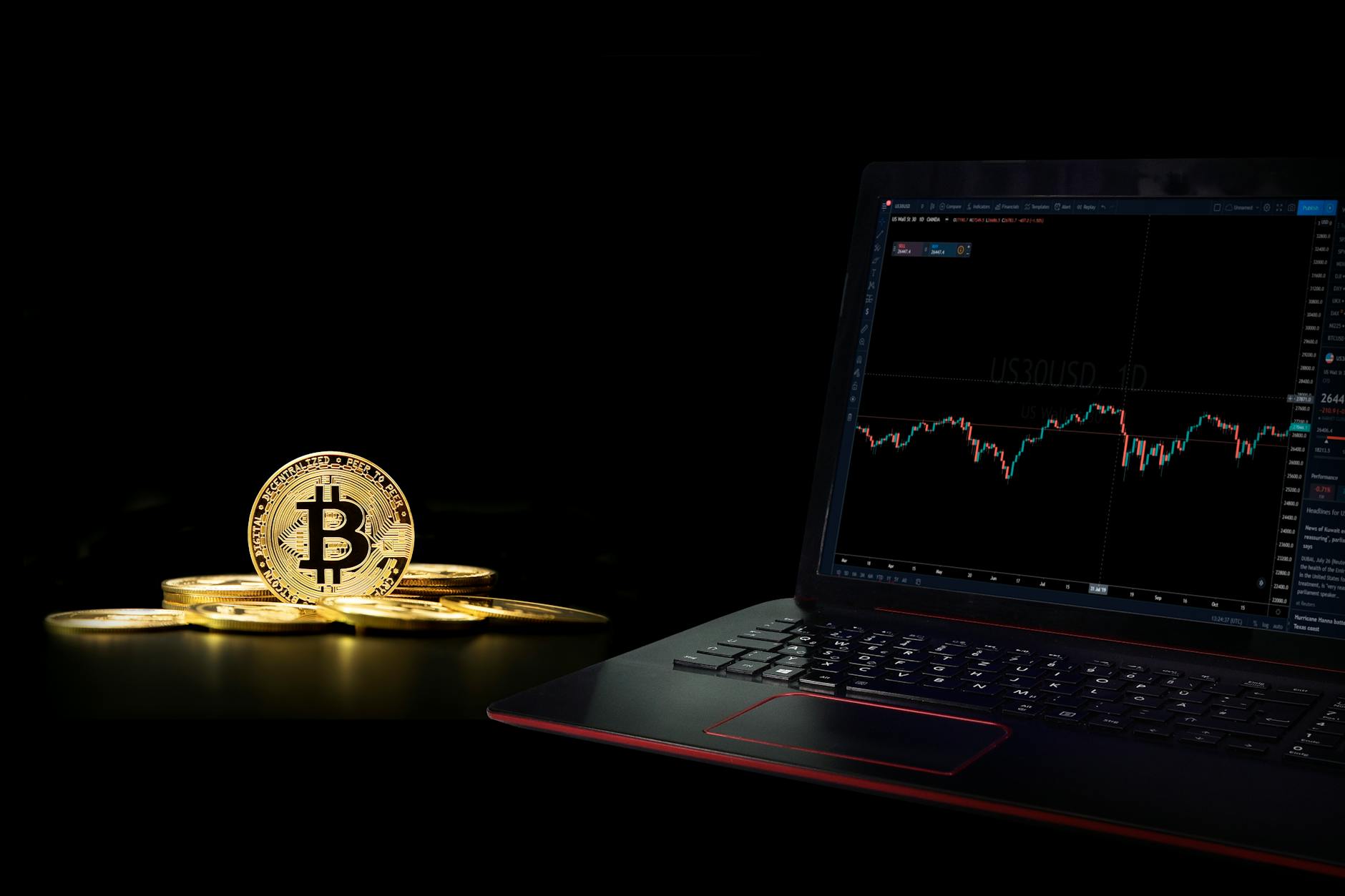
Implementing these official methods in prop trading technology ensures a competitive edge while maintaining operational integrity. Firms dedicated to continuous technological advancement and adherence to best practices position themselves to navigate markets effectively, optimize their strategies, and sustain growth amid dynamic trading landscapes.
Impact of Market Data and Infrastructure on Prop Trading
In the realm of proprietary trading, the quality, speed, and reliability of market data are fundamental to executing effective strategies. Prop trading firms rely heavily on real-time data feeds that encompass price movements, order book dynamics, and macroeconomic indicators. The integrity and timeliness of this information directly influence decision-making and the overall profitability of trading operations.
Superior data infrastructure enables traders to identify fleeting arbitrage opportunities and capitalize on minute price discrepancies across multiple exchanges. To ensure accuracy, firms implement sophisticated data validation and cleansing procedures, reducing the risk of erroneous trades prompted by inaccurate or delayed information.
Infrastructure also plays a pivotal role in minimizing latency, a critical aspect in high-frequency trading environments. Low-latency networks, colocation services near major exchanges, and dedicated fiber-optic connections are employed to reduce transmission times, thus giving traders a decisive edge in executing rapid trades before market conditions change.
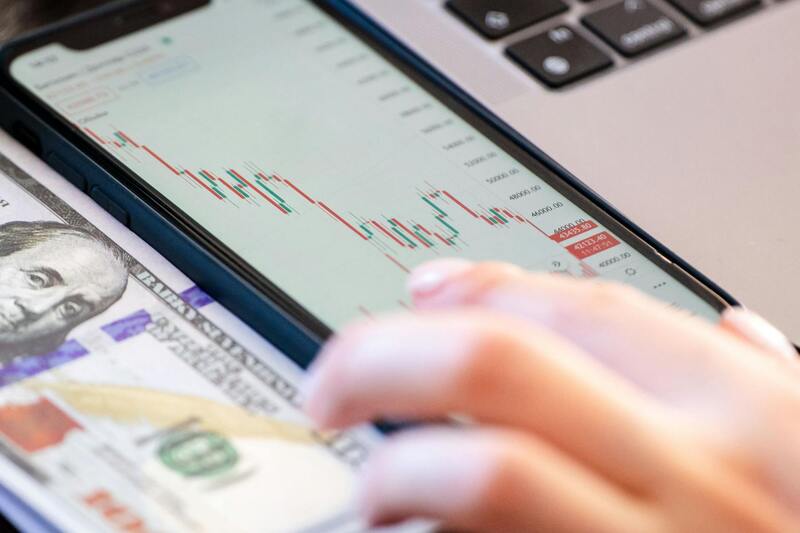
Advanced infrastructure solutions incorporate redundant systems to ensure seamless operations during technical outages, protecting trading activities from disruptions that could result in substantial financial loss. Moreover, integrating data analytics platforms allows traders to interpret vast datasets more efficiently, transforming raw data into actionable insights that inform strategic decisions.
Investments in cutting-edge computing hardware, such as dedicated servers and high-throughput data pipelines, further enhance data processing capabilities. These improvements facilitate complex calculations, real-time risk assessments, and adaptive algorithm adjustments necessary for maintaining a competitive advantage.

As technological sophistication advances, proprietary trading firms increasingly adopt integrated solutions that unify market data feeds, trading algorithms, risk management tools, and communication systems within a cohesive technological ecosystem. This integrated approach ensures cohesive operations, faster execution times, and more precise risk controls, crucial for thriving in volatile and fast-moving markets.
Furthermore, harnessing cloud computing resources for scalable data storage and processing capacity enables firms to adapt quickly to changing market demands, maintain operational flexibility, and reduce costs associated with hardware upgrades. Cloud solutions also support collaborative trading environments, where analysts, developers, and traders share insights and strategies seamlessly across global teams.
Enhancing Trading Efficiency with Advanced Prop Trading Platforms
Prop trading technology encompasses sophisticated software and hardware solutions designed to optimize trading operations within proprietary trading firms. These technological tools are integral to executing high-frequency trading (HFT), algorithmic strategies, and data-driven decision-making processes. Advanced prop trading platforms integrate multiple functionalities, such as real-time market data processing, automated order execution, risk management modules, and analytical dashboards. Their scope extends beyond simple trade execution to encompass comprehensive operational oversight, compliance monitoring, and strategic development. By employing such systems, prop traders can leverage speed, accuracy, and automation, which are critical in dynamic markets where milliseconds can impact profitability.
Core Features of Prop Trading Software
Modern prop trading solutions are characterized by several core features that empower traders and firms alike:
- Real-Time Data Streaming: Facilitates immediate access to market movements, news, and economic indicators that influence trading positions.
- Algorithmic Trading Capabilities: Supports development and deployment of complex trading algorithms that execute trades based on predefined criteria.
- Automated Order Management: Streamlines order placement, modification, and cancellation with minimal latency.
- Risk Management Tools: Provides real-time monitoring of portfolio risks, exposure limits, and potential drawdowns to safeguard capital.
- Backtesting Environments: Enables rigorous testing of trading strategies against historical data to evaluate performance before deployment.
- Compliance and Audit Trails: Ensures all trades are documented appropriately, supporting regulatory adherence and internal reviews.
Role of Trading Technologies in Prop Trading Strategies
Trading technology serves as the backbone of prop trading strategies, allowing traders to implement, refine, and execute sophisticated approaches with precision. These systems facilitate the deployment of quantitative models that capitalize on arbitrage opportunities, price discrepancies, or market inefficiencies. Automated trading algorithms enable rapid reaction to market signals, often executing hundreds or thousands of trades per second, far surpassing manual capabilities.
Moreover, technological tools enable seamless integration of different data sources, including market feeds, economic reports, and news analytics, into cohesive trading strategies. These integrations support the development of adaptive models capable of evolving based on market conditions, thus maintaining a competitive edge. Additionally, comprehensive risk analytics embedded within trading platforms allow traders to adjust positions dynamically, reducing potential losses and optimizing profit margins.
Types of Prop Trading Technologies and Solutions
Prop trading environments utilize a variety of technological frameworks, each suited to different operational needs:
- On-Premise Trading Infrastructure: Traditional setups that involve dedicated servers and data centers, offering control and customization for high-frequency trading operations.
- Cloud-Based Trading Platforms: Leverage scalable cloud resources for flexible data processing, storage, and collaborative functionalities, reducing hardware costs and enabling global access.
- Hybrid Systems: Combine on-site hardware with cloud services to balance control, performance, and scalability.
- Specialized Trading Software Suites: Customizable platforms that include order management, analytics, risk assessment, and compliance modules tailored for prop trading firms.
Impact of Market Data and Infrastructure on Prop Trading
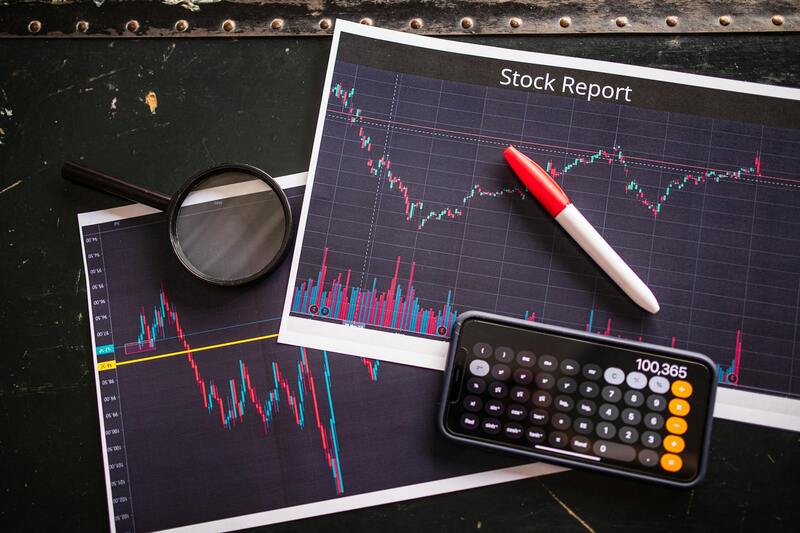
The effectiveness of prop trading technology heavily depends on the quality, speed, and reliability of market data and infrastructure. Robust market data feeds feed traders with accurate and timely information, which is critical for executing strategies that require microsecond precision. Any latency or inconsistency in data delivery can significantly impact trading outcomes.
Modern trading infrastructure involves colocated servers positioned close to exchanges to minimize latency, high-throughput data pipelines for rapid data processing, and redundant network connections to ensure continuous operation. Extensive infrastructure investments allow firms to capitalize on fleeting opportunities and maintain their competitive advantage. Additionally, the integration of raw data analytics with predictive modeling enhances decision-making, allowing traders to anticipate market movements before they occur.
Leading Companies and Innovations in Prop Trading Technology
Several pioneering companies are at the forefront of prop trading technology innovation, continuously pushing the boundaries of speed, efficiency, and analytical capacity. These organizations develop proprietary trading platforms that incorporate machine learning, artificial intelligence, and big data analytics to refine trading strategies and risk controls.
Innovations include the adoption of quantum computing techniques for complex problem-solving, the deployment of advanced network architectures to reduce latency, and the development of AI-driven models that adapt to market changes in real-time. Many of these companies also prioritize cybersecurity measures to protect sensitive trading algorithms and client data, ensuring operational integrity amid evolving cyber threats.
Understanding the Role of Quantitative and Algorithmic Methods in Prop Trading Technology
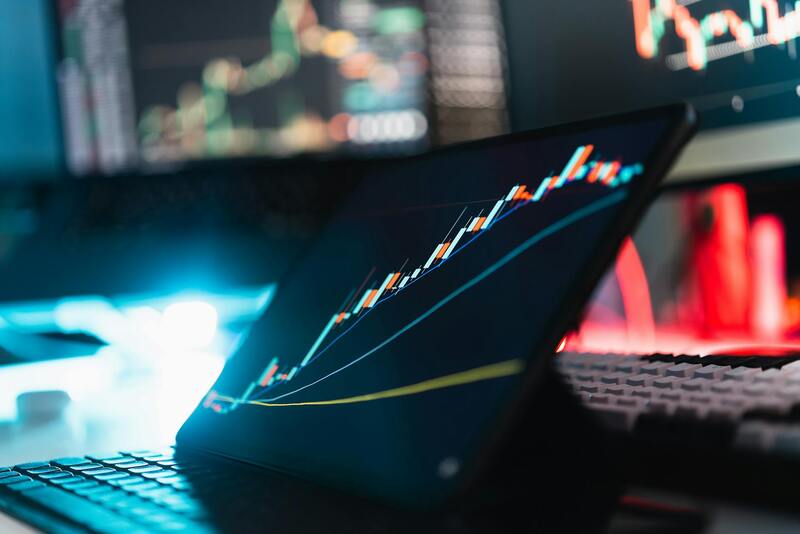
Quantitative and algorithmic methods serve as the backbone of modern prop trading technology, enabling traders and firms to execute complex strategies with precision and speed. These approaches rely on mathematical models, statistical analysis, and automation to identify trading opportunities, manage risks, and optimize portfolio performance. Prop trading firms invest heavily in developing proprietary algorithms that analyze vast datasets to detect patterns and forecast market movements.
Algorithmic trading, in particular, leverages computer codes to automate order execution based on predefined criteria. This automation minimizes emotional bias and ensures rapid response to market fluctuations. Quantitative models incorporate a variety of data sources, including price history, order book dynamics, macroeconomic indicators, and sentiment analysis, to generate actionable insights. The integration of these methods into trading platforms allows for continuous adaptation to real-time conditions, keeping firms ahead of competitors.
Implementation of High-Frequency Trading and Low-Latency Strategies
High-frequency trading (HFT) exemplifies the use of prop trading technology to exploit small price discrepancies that exist only for milliseconds. Achieving success in HFT requires a combination of ultra-low latency infrastructure, sophisticated algorithms, and proximity to exchanges. Firms deploy colocated servers in close proximity to major trading venues to reduce signal transmission times, enabling faster trade execution than competitors.
Low-latency strategies depend heavily on optimized data pipelines, proprietary hardware, and advanced networking technologies. These systems process market data streams almost instantaneously, triggering trades based on real-time analysis. Consistent refinement of algorithms ensures that firms can capitalize on fleeting arbitrage opportunities while managing the risks associated with rapid trading environments.
Data Management and Security in Prop Trading Technology
Effective data management encompasses not only the collection and analysis of vast market datasets but also their secure storage and transmission. Prop trading firms rely on high-integrity data warehouses that can handle real-time feeds and historical data for back-testing and strategy validation. Proper data governance ensures compliance with industry standards and mitigates potential operational risks.
Security measures are vital in protecting sensitive trading algorithms, client information, and proprietary data. Robust encryption protocols, multi-factor authentication, and intrusion detection systems form a part of the comprehensive security architecture. These safeguards prevent unauthorized access and cyber threats that could disrupt trading operations or compromise intellectual property.
Continuous Innovation and Future Outlook in Prop Trading Technologies
The landscape of prop trading technology is continually evolving, driven by advancements in artificial intelligence, machine learning, and blockchain. AI-powered models can learn from new data inputs, adapt strategies on the fly, and improve decision-making accuracy. Meanwhile, blockchain technology offers potential solutions for transparent transaction records and decentralized data sharing, enhancing operational security and efficiency.
Emerging trends suggest an increased integration of quantum computing for solving complex optimization problems and enhancing predictive capabilities. As technology pushes forward, prop trading firms are expected to adopt more autonomous systems, augmented by sophisticated data analytics and enhanced cybersecurity measures. These innovations will shape the future of prop trading, enabling firms to operate with greater agility, precision, and resilience.
