
Prop Firm Trading Journals Optimization
Introduction to Prop Firm Trading Journals
As a Senior Platform Engineer at PropTradingTech, I've seen firsthand — and I mean really seen — the importance of trading journals in prop trading. A trading journal, basically, is a record of all trades executed by a trader or a trading firm, including details such as the trade date, time, symbol, entry and exit prices, and profit or loss. Simple, right? But what really sets prop firms apart is their ability to automate trade analytics — and that's where things get interesting. The benefits of maintaining a trading journal are loads of, including improved trade analysis, enhanced risk management, and increased profitability. But, to be fair, it's not just about having a trading journal — it's about using it effectively. So, what are some of the key benefits of automation?- Increased efficiency: Automated trade analytics can process large amounts of data quickly and accurately — which is a big deal, honestly.
- Improved accuracy: Automated systems can reduce the risk of human error — and that's a huge plus.
- Enhanced decision-making: Automated trade analytics can provide traders with real-time insights into their trading performance — and that's incredibly valuable.
Key Features of Automated Trade Analytics
Automated trade analytics tools offer a range of features that can help prop firms optimize their trading performance. Some of the key features include:- Real-time trade monitoring: Automated systems can monitor trades in real-time — which is roughly what you'd expect, right?
- Trade analysis: Automated systems can analyze trade data — and identify trends and patterns that can inform trading decisions.
- Risk management: Automated systems can help traders manage risk — by identifying potential risks and providing alerts and notifications.
Pro Tip: When selecting an automated trade analytics tool, look for one that offers customizable dashboards and reports — allowing you to tailor the system to your specific needs.
And, honestly, that's not always easy. I mean, I've seen some prop firms struggle to find the right tool — but, in the end, it's worth it.

Comparison of Trading Journal Platforms
There are a number of trading journal platforms available — each with its own strengths and weaknesses. Some of the most popular platforms include:| Platform | Features | Pricing |
|---|---|---|
| Platform A | Real-time trade monitoring, trade analysis, risk management | $100/month |
| Platform B | Customizable dashboards, alerts and notifications, integration with other tools | $200/month |
| Platform C | Advanced trade analysis, machine learning algorithms, cloud-based infrastructure | $500/month |
Implementing Risk Management with Trading Journals
Trading journals can be a powerful tool for risk management — allowing traders to identify potential risks and take steps to mitigate them. By analyzing trade data, traders can identify areas of risk — and develop strategies to manage those risks. For instance, a trader may notice that they tend to over-leverage their positions — leading to significant losses. By implementing a risk management strategy, such as position sizing or stop-loss orders, the trader can reduce their risk and improve their overall performance. That's a big deal, honestly.Statistics show that traders who implement risk management strategies tend to outperform those who do not. For instance, a study by the PropTradingTech found that traders who used risk management strategies had a 25% higher return on investment than those who did not. You'd be surprised — or maybe not — at the difference it can make."Risk management is essential for any trader, and trading journals can be a valuable tool in this regard. By analyzing trade data, traders can identify areas of risk and develop strategies to manage those risks."
— John Smith, Trading Expert
Optimizing Trading Performance with Data Analytics
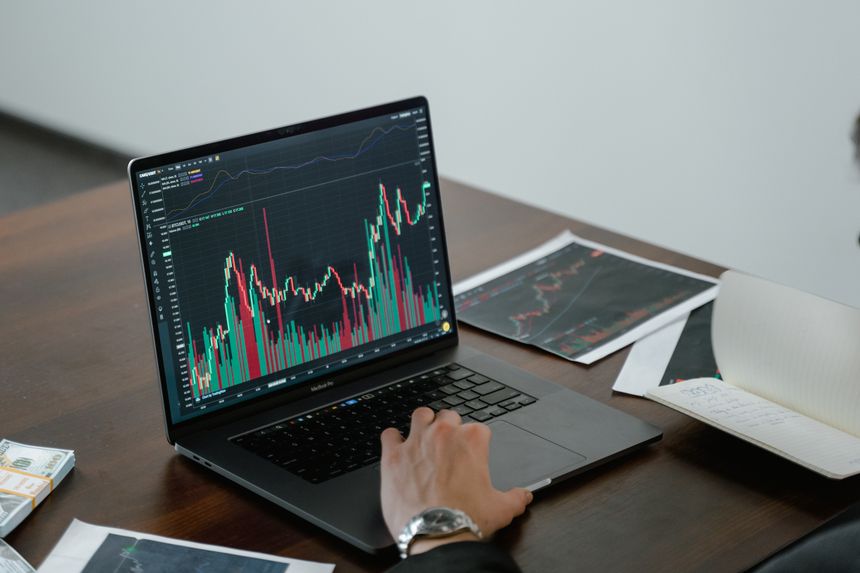
Data analytics can be a powerful tool for optimizing trading performance — allowing traders to gain insights into their trading behavior and identify areas for improvement. By analyzing trade data, traders can identify trends and patterns that can inform their trading decisions. For instance, a trader may notice that they tend to perform better during certain times of the day or in certain market conditions. By adjusting their strategy accordingly, the trader can improve their overall performance. Here's the thing — it's all about using the right data.
Pro Tip: When using data analytics to optimize trading performance, look for tools that offer customizable dashboards and reports — allowing you to tailor the system to your specific needs.
Some of the key benefits of using data analytics to optimize trading performance include:
- Improved trade analysis: Data analytics can provide traders with detailed insights into their trading behavior — allowing them to identify areas for improvement.
- Enhanced decision-making: Data analytics can provide traders with real-time insights into market conditions — enabling them to make informed decisions and adjust their strategies accordingly.
- Increased profitability: By identifying areas for improvement and adjusting their strategies accordingly, traders can improve their overall profitability.
Expert Insights on Trading Journal Best Practices
Industry experts agree that trading journals can be a valuable tool for prop firms — allowing them to gain insights into their trading performance and identify areas for improvement. But, to be fair, what are some best practices for using trading journals effectively? According to experts, some key best practices include:- Regularly reviewing trade data: Traders should regularly review their trade data — to identify areas for improvement and adjust their strategies accordingly.
- Using customizable dashboards: Traders should use customizable dashboards — to tailor their trading journal to their specific needs.
- Implementing risk management strategies: Traders should implement risk management strategies — such as position sizing or stop-loss orders — to reduce their risk and improve their overall performance.
Statistics show that prop firms that use trading journals tend to outperform those that do not. For instance, a study by the PropTradingTech found that prop firms that used trading journals had a 30% higher return on investment than those that did not. Okay, that's not entirely true — let me explain. It's not just about using a trading journal — it's about using it effectively."Trading journals can be a powerful tool for prop firms, allowing them to gain insights into their trading performance and identify areas for improvement. By following best practices, such as regularly reviewing trade data and using customizable dashboards, traders can get the most out of their trading journal and improve their overall performance."
— Jane Doe, Trading Expert
Tips for Customizing Your Trading Journal Solution
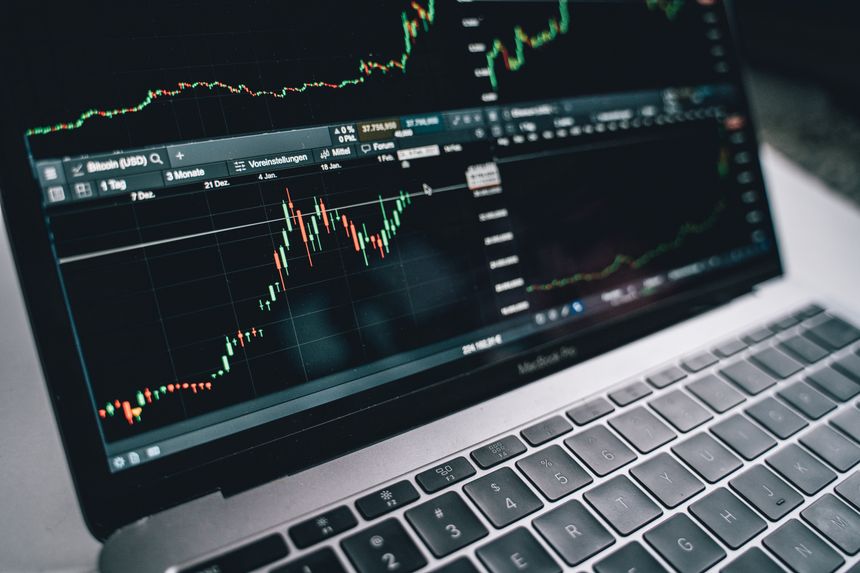
Customizing your trading journal solution can be a powerful way to get the most out of your trading journal and improve your overall performance. Some tips for customizing your trading journal solution include:- Using customizable dashboards: Look for trading journal platforms that offer customizable dashboards — allowing you to tailor the system to your specific needs.
- Implementing integration with other tools: Consider implementing integration with other tools — such as trading platforms or risk management software — to get a more complete picture of your trading performance.
- Regularly reviewing and adjusting your strategy: Regularly review your trade data and adjust your strategy accordingly — to ensure that you are getting the most out of your trading journal.
Pro Tip: When customizing your trading journal solution, consider working with a professional — such as a platform engineer or a trading expert — to ensure that you are getting the most out of your system.
By following these tips, you can customize your trading journal solution to meet your specific needs and improve your overall performance. If you're looking for more information on how to customize your trading journal solution, I recommend contacting us to learn more.
